Showing posts with label Summer of Dylan. Show all posts

Sunday, August 29, 2021

Summer of Dylan Takeaways

This summer I set out to listen to every Bob Dylan album in order (including the Bootleg Series) and write about them. I finished this ten part series over a week ago, but now I want to take some time to get some perspective on this quiet Sunday when I can feel autumn creeping in. 

The biggest thing that surprised me on this journey was that none of Dylan's music that I had already known dropped in my esteem. There was never a moment where I told myself "what did I ever see in this?" On the contrary, it was much more likely for me to ask myself "why didn't I like this one more before?" That was certainly the case with New Morning and Modern Times. This is probably the most banal observation I could make, but this exercise affirms all of the praise that has been lavished on Dylan over his career. It is not Boomer nostalgia or overwrought fawning. In fact, it's not enough!

The other big insight I have is into aging. During the entire 60s Dylan just churned out amazing song after amazing song. Even when he was resting in Woodstock after a motorcycle accident he wrote and recorded the songs on the Basement tapes in a year. There's enough in that repository for a lifetime for other musical artists. In his youth the muse never left him.

In the 70s, however, things got rockier and spottier. In his personal life Dylan started a family but also got divorced. As I know from my own aging, getting older means being responsible for people other than yourself and prioritizing family over other concerns. It can also mean that creative work doesn't come as easily. (Notice how the frequency of my posts has fallen off for proof of that.) In the mid-70s Dylan managed to find his feet again, but only for a short time. His Christian period that followed might be rock music's most notable mid-life crisis. 

In the 80s he cut some records that were just flat out bad. He was still trying to maintain the pace of his youth, without the same youthful creative energies to sustain it. There was just no way he could put out a whole album's worth of good material every year. The standout songs on those albums also show that the embers still burned. 

The admirable thing is, Dylan adjusted. He stopped trying to be a rock singer, and went back to the folk and blues music that originally sustained him. In a strange way the angry folkies who got mad when Dylan went electric were a little bit right: he could never escape who he truly was. Dylan's folk albums in the 90s helped inspire him and build up his creative reserves for the amazing trilogy of albums that followed. Once he started running out of gas again he returned to old standards, and used that time to invigorate himself and turn out the excellent Rough and Rowdy Ways

As an aging person myself, whose capabilities diminish with each passing day, I take some amount of comfort in Dylan's trajectory. It's better to burn out than to rust, but sometimes burning out just means keeping a candle lit.

Dylan Album Ratings Roundup

I am not going to rank Dylan's albums (which is impossible) but I will just share the ratings I assigned. Feel free to argue with me. 

Five Bobs: Rough and Rowdy Ways, Modern Times, Love and Theft, Time Out of Mind, Blood on the Tracks, Basement Tapes, Blonde on Blonde, Highway 61 Revisited, Bringing It All Back Home, The Times They Are A-Changin', The Freewheelin' Bob Dylan

Four and a Half Bobs: Oh Mercy, Desire, Nashville Skyline

Four Bobs: Tempest, Together Through Life, World Gone Wrong, Good as I've Been to You, Slow Train Coming, Street Legal, New Morning, John Wesley Harding, Another Side of Bob Dylan, Bob Dylan

Three and a Half Bobs: Triplicate, Fallen Angels, Unplugged, Infidels, Before the Flood, Planet Waves

Three Bobs: Shadows in the Night, Real Live, Saved, Hard Rain

Two and a Half Bobs: Empire Burlesque, Shot of Love, At Budokan, Self Portrait

Two Bobs: Christmas in the Heart, Down in the Groove, Knocked Out Loaded, Pat Garrett and Billy the Kid

One and a Half Bobs: Under the Red Sky, Dylan and the Dead

One Bob:  None, because even his worst stuff has some redeeming features

Thursday, August 19, 2021

Multitudes (Summer of Dylan part ten)

I didn't plan for the recap of Dylan's albums to be ten parts, but I like the symmetry. (I will be writing a recap post soon, though.) We come now up to the present. I wasn't sure how to periodize Dylan's 21st century, but I feel like there's a definite before and after that's marked by his Christmas album, since he has been more invested in recording standards since then. As with the rest of his career since the late 70s there are peaks and valleys and the valleys make the peaks that much more remarkable.

Christmas in the Heart (2009)

Like Self-Portrait and his Christian period this was a true "what the fuck?!?" for Dylan fans. At the time I myself was flabbergasted that this came after a great four album run. Since then I've become a parent, which has rekindled my love of Christmas and corny Christmas music, but even with that reevaluation I can't like this album. The arrangements are fun and retro, which saves this from being a two star album. The problem is Dylan's voice, which has never sounded more atrocious. It makes this album physically difficult to listen to, even though I appreciate the jaunty glee he brings to songs like "Here Comes Santa Claus." Of course, Dylan loves making these confounding choices and I will always tip my hat to that. Fan service is the enemy of art.

Rating: Two Bobs

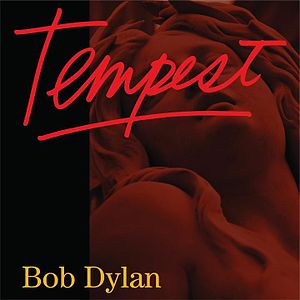
Tempest (2012)

I didn't hear this one when it first came out since it was released right after my children were born. During the first two years of their lives I basically fell off the pop culture map. I really enjoyed listening to it. It has a lot of the feel and bluesy vibe of his triumphs in the oughts. Not all of the songs are strong and none stick out to me as greats. but it's a solid effort and I plan on listening to it again.

Rating: Four Bobs

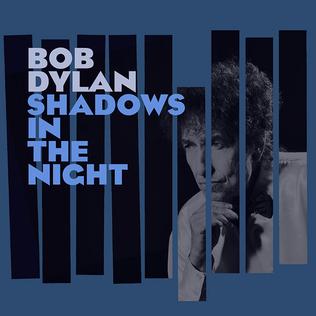
Shadows in the Night (2015)

In the 1990s Dylan revitalized himself by doing albums of folk covers. That made a lot of sense, considering his origins in the Greenwich Village folk scene. In this period he was doing covers of Christmas songs and old standards. That was a bit more perplexing, and to me, uninteresting. I did not listen to this album until this week. I have to say, I was pleasantly surprised. It's not as good as his 90s folk albums, but it's a better listen than I expected. Nevertheless, one listen was enough.

Rating: Three Bobs

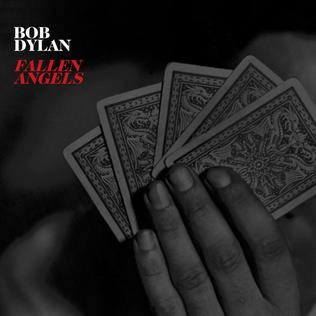
Fallen Angels (2016)

More standards, but these are done with more of a country feel, which I appreciate. I liked this album more than the last. It still suffers from the material not being Dylan's strong suit. Some of the high notes are painfully beyond his range. The best stuff reminds me of cuts from Love and Theft. The real star here is Dylan's touring band playing live in the studio. One sometimes wishes they were paired with a different singer. The arrangements on this album as especially appealing. I might be coming back to it.

Rating: Three and a half Bobs

Triplicate (2017)

The third in the trilogy of standards albums. The style is a bit jazzier, but the backing band sounds great yet again. Some songs are better than others, I found "Braggin'" and "As Time Goes By" to be real highlights. When Dylan sticks to a narrow range in songs that require feel he sounds good. The straining on the high notes is not enduring. This album might be a bit overloaded with songs, but the selections are impeccable and they are performed with real feeling. A quiet accomplishment for Dylan this century has been his producing chops. The records sound great, very different than his self-produced work earlier in his career. It seems that his road band knows him well enough to keep up with the changes.

Rating: Three and a half Bobs

Rough and Rowdy Ways (2020)


As with Time Out of Mind Dylan's foray into traditional music reignited his songwriting muse. Seemingly out of nowhere he gave us a similar, sprawling album. He also had his first number one single, the improbable 17-minute opus "Murder Most Foul." He released it at the start of quarantine, and it felt like an epitaph for his generation and the America they lived in. I listened to it practically every day back then, along with "A Hard Rain's A-Gonna Fall." Lest we forget, this was in the depths of the Trump administration. Everything seemed to be falling apart, and Dylan had the perfect message for it. The song implied that since Kennedy's assassination progress has been hard to find, and that we have been numbing ourselves with popular culture. However, he does not deliver this as a jeremiad, but with sadness.

There's plenty of other standout tracks, notably "I Contain Multitudes," quite the statement of purpose at his age. The most miraculous thing about this album was that it seemed to say that even at the doorstep of 80, Dylan had profound gifts. This album would be a remarkable epitaph to his career, but I doubt Dylan is going to stop now. I am glad for that. 

Rating: Five Bobs

Tuesday, August 10, 2021

Second Coming of the Second Coming (Summer of Dylan part nine)

 I hate it when fans and critics react to a new album by a legacy artist by saying "it's their best since ______." The implicit message is that this artist will never be as good as they were in the good old days. The other side of the double edged sword of this statement is that it can be a way for the fan/critic to find something to praise about a beloved artist's recent, mediocre effort. I have heard so many Rolling Stones albums called "their best since Some Girls" when none of them are really much good. There, I said it! (I also think Some Girls is a bit spotty but I don't want to start an argument.)

The beauty of Dylan's second comeback in the late 90s was that his music was so good that it could not be damned with faint praise. It was at least as good as his best, period. At the time it thrilled me because I first started listening to him in '91 but none of his current stuff had felt remotely relevant. Then, as his hit single of the time said, things had changed. 

Time Out of Mind (1997)


I remember the wave of hype when this album came out, and I assumed it was the usual "his best since ____" bullshit. Then I bought it and was totally transfixed. I don't know how many times I listened to it in my little studio apartment in Chicago late at night. In the fall of '98 I got to see him live for the first time at the United Center, and it was just a fantastic show. I was hard up at the time and basically barely ate for a month to afford the floor-level tickets. Totally worth it.

For this album Dylan brought back Daniel Lanois, who did so much for Oh Mercy. His recent dive into the blues on World Gone Wrong comes through as well. There is an eerie midnight sound compounded by the deft use of the organ, one of my favorite instruments. The songs are also just powerhouses. Even the schmaltzy "To Feel My Love" is a good one. The shaggy dog 15 minute closer "Highlands" is great too, it adds some needed lightness. I hadn't listened to it in awhile and wondered if Time Out of Mind held up, and it totally does. The years of woodshedding and returning to his roots paid off in great music that did something new.

Rating: Five Bobs

"Love and Theft" (2001)

This album famously came out on 9/11 and was a constant companion for me in those awful times. It also came after the flood of roots music set off by the O Brother Where Art Thou soundtrack. Here Dylan goes back to the country blues and bluesy country (a la Jimmie Rodgers.) He plays with his touring band, giving the songs a lived-in feel. It is a top five all time Dylan album for me. Listening to it again I realized I still knew every damn word.

The overall sound of the album is great, but so are the songs. "High Water" is a wonderful homage to Charley Patton, Big Joe Turner, and all kinds of American musicians. "Mississippi" is simply one of his best songs ever. "I'm going to look at you until my eyes go blind" is a great lyric on its own, but the way he sings it with such longing makes it sublime. Sure Dylan is croaking here, but croaking works with the blues! Just an amazing album and the true culmination of Dylan returning to the deep roots of American music that he was so tied to early in his career.

Rating: Five Bobs

Modern Times (2006)


The rootsy sound is in evidence again here, but more attuned to jazz and ballads than rollicking good times songs like "Summer Days." The songs also stretch out some more and take their time. At the time I liked it but did not embrace it as much as the prior two albums. Listening to it again I realized I was wrong, and that my judgement may have been clouded by the fact that I was going through multiple difficult life transitions at the time that other music spoke to better. (Let's just say I was listening to Gordon Lightfoot's "If You Could Read My Mind" on repeat back then.)

"Workingman's Blues #2" is the highlight here, and it gets at the emotional weariness of the late Dubya years. Like the last record Dylan had his touring band in the studio, and the sound is just incredibly warm. Dylan also seems to have figured out how to produce by this point. Great stuff.

Rating: Five Bobs

Together Through Life (2009)


I maybe listened to this album two or three times when it came out. It's not that I didn't like it, it just did not scale the heights reached by the prior three albums, all among the best of Dylan's career. This one was less meticulous and more in the mode of Dylan's spontaneous style of earlier years in the studio. This basically means it could have been better with more time and care. That said, David Hidalgo from Los Lobos is a great addition in the studio, and his Mexican accordion flourishes add a nice new wrinkle to the sound. The songs get a little same-y but listening to it again I realized it's a great little stylistic detour, akin to Nashville Skyline or Desire. The songs are not as strong, but they are good enough. It's a good little coda to one of the best periods of Dylan's entire career. A period when his music was not "his best since..." but perhaps his best.

Rating: Four Bobs

Odds and Ends

As I mentioned last time, many of the songs from this period are on the Tell-Tale Signs entry in the Bootleg Series. I love hearing the alternate takes on "Mississippi," although I still like the album version best. Even 40 years into his career Dylan was recording multiple, radically different versions of his songs. I saw him on tour in 2004 and while it was not the best performance, I admired how willing his was to take his songs in new directions. In this period he also released a non-album single, "Things Have Changed," which as I progress further into middle age has kind of become an anthem of mine. 

Saturday, August 7, 2021

Lost in the Wilderness (Summer of Dylan part eight)

Now that I am in my mid-40s I can definitively say that middle age sucks. You realize you won't get to do a lot of what you wanted to and your physical and mental powers start to decline. The rock stars of the sixties were never supposed to grow old, and a bunch of them were pretty lost in the 80s, including Dylan. Some managed to find a way back (including Dylan.) 

This was the era when I encountered Bob Dylan. In my case it was through the "We Are The World" song and I had no clue who that weird old guy croaking happened to be. Years later I saw his chaotic/brilliant Grammy performance in 1991, which was weirdly the catalyst for digging into his music. Anyone so willing to confound a national television audience must have been on to something, after all. 

This is the longest period I am covering in this series, and until the late 90s I pretty much assumed the rest of Dylan's career was going to be all wilderness. However, there were some good moments in the wilderness, there's a reason the Bootleg Series on this era is called Tell-Tale Signs. Now on to look at the good, the bad, and the downright awful.

Infidels (1983)

Coming after the Christian trilogy Dylan's fans and critics loved his return to secular music. I only first heard it a few months ago and it's pretty good. However, its reputation has been inflated a bit by the low quality of what came before and after. "Jokerman" is a song I can't stop singing to myself, and is the obvious highlight. Some of the political stuff in the others songs is weirdly off-key. "Neighborhood Bully" has been interpreted many ways, but I hear the title meant to be taken ironically as part of an implicit defense of Israel's awful tactics in their invasion of Lebanon in 1982.

The real kicker is the best songs he recorded at the time aren't even on the record! (More on that in a bit.)

Rating: Three and a half Bobs

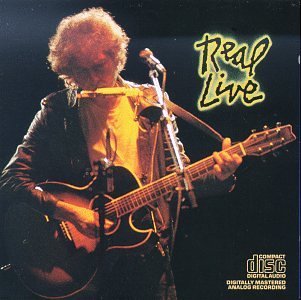
Real Live (1984)

Confession: before I did this series I did not know that this album even existed! Evidently rock audiences at the time didn't either, based on the sales figures. Yes folks, it's yet another mediocre live album. However, Mick Taylor on guitar and Ian McLagan on keys give it some real rock power. That saves the mostly tepid performances from Dylan himself.

Rating: Three Bobs

Empire Burlesque (1985)

Hoo-boy this is bad. Why on earth does Allmusic give it four and a half stars? The problem is not the mid-80s production, since I actually like that sound. The issue is that Dylan as producer does the mid-80s sound all wrong. In his hands it sounds as tacky as the album cover looks. "Tight Connection to My Heart" is a good one, but there's only a couple of other interesting songs.

Rating: Two and a half Bobs

Knocked Out Loaded (1986)

Welp, this one is even worse. As on Self-Portrait, some of the songs are actually unlistenable, especially the fake profound "They Killed The Man." It's like the worst lounge singer trying to rip off "Abraham, Martin, and John" but with a treacly kids chorus at the end. A lot of people talk about "Brownsville Girl" as one of Dylan's best, but the production on this album is so terrible I was too distracted to enjoy it fully. It does save this album from a one Bob review, though.

Rating: Two Bobs

Down in the Groove (1988)

The second album in a row with a title that seems to reference being in a low position. Perhaps it was a cry for help. I just listened to it for the first time and then pretty much forgot it the next day. Like the other albums of this era it has a couple of moments to show you that Dylan had not completely lost his spark. I dig "Silvio."

Back in the day the Onion's AV Club section had a yearly roundup of "the least essential albums." The distinction was that "least essential" did not necessarily mean worst, just the albums with the least reason to exist. So far this is Dylan's least essential album.

Rating: Two Bobs

Dylan and the Dead (1989)

There are people in this world who like the Grateful Dead. I am not one of them. They always struck me as an interesting roots rock band that needed to stop noodling and get a singer with the soul power necessary to bring their music off properly. 

At the time this album came out there was a group called Dread Zeppelin that played Led Zeppelin covers in a reggae style while being fronted by an Elvis impersonator. Dylan with the Dead is like that with all the fun, humor, and inventiveness drained out. These are all live cuts and Dylan's voice sounds ragged. The Dead's accompaniment is boring and surprisingly anonymous. The song selections are questionable, especially the godawful "Joey." The one highlight is the funky take on "Gotta Serve Somebody." I agree with the critics who say this was his lowest point.

Rating: One and a half Bobs

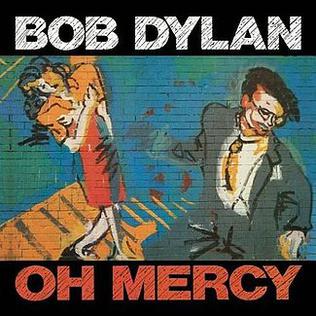
Oh Mercy (1989)

Suddenly, in the midst of his lowest point, Dylan put out a great album. People who read his memoir were surprised that he devoted so much time to it, but I wasn't. This was the moment where he realized that he could still make great music. Having Daniel Lanois as a producer helped, and this album makes me wish he had a stronger hand with him in the studio at other points in his career. I should admit that I love Lanois' ethereal sound, as much as some other people don't like his formula. Recording in New Orleans also seemed to give it a good dose of that swampy juju that nourished the roots of American music for so long. 

There's so many songs I love on this record. After listening to the rest of his 80s output something like "Ring Them Bells" or "Most of the Time" is just absolutely stunning by comparison. Unlike most of his other 80s output, it actually sounds like a cohesive whole, a true album. I listen to it a lot but hearing it in this context I can see why it would have been proclaimed "his best since Blood on the Tracks." In this case that phrase is not faint praise.

Rating: Four and a half Bobs

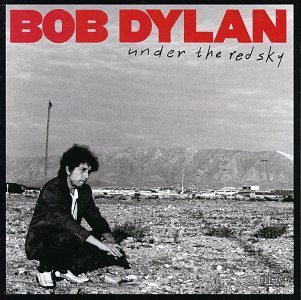
Under the Red Sky (1990)

However, I can't use Oh Mercy to start another period in Dylan's career because he followed his best album of the 80s with his worst album of the 90s. I mean really, what the hell is going on here? I've read that the whole thing was basically just tossed off, and it certainly sounds like it. There's weird nursery rhyme lyrics and meandering songs. I've always liked Don Was' production (I am an early 90s kid) so at least it doesn't sound as atrocious as his mid 80s records, even if the songs are far weaker. 

I've read that Dylan's work with the Traveling Wilburys pushed him to do better and Oh Mercy was the result. Evidently this album was rushed due to his work on the second Wilbury's record. The Traveling Wilburys giveth and they taketh away. Still worth it to get Oh Mercy.

By the way, Robert Christgau gave this awful thing an A-. Dean of Rock Critics my ass.

Rating: One and a half Bobs

Good as I Been to You (1992)
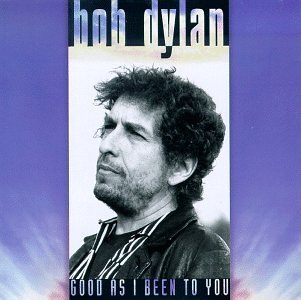
A covers album is often a sign that an artist is out of ideas. Dylan's songwriting well was low, but the covers here are so spirited and confident after a decade of Dylan sounding tentative while flailing around in the modern studio. I hadn't listened to this one in years and really enjoyed hearing it again. The guitar is lively and driving in these songs, it's folk music as good time music for an artist who's not exactly known as a good time sporting man. The two folk albums he did in the 90s seem to have revived a love of music in him, something that seemed missing in most of the prior decade. Highly recommended.

Rating: Four Bobs

World Gone Wrong (1993)

As a later Gen X white guy who loved alternative music, 1992-1994 is one of my favorite music eras. The stuff I liked punched out of the underground, and even the cover of a Dylan album was drenched in its aesthetic. A lot of music in the 90s was about stripping away all the Reagan Era dayglo frippery and getting at the root. This was going on in the whole "alt-country" music, in how Nirvana brought the punk ethos mainstream, and in gangsta rap's hard-hitting directness. 

Dylan's exploration of older music with just his acoustic guitar fit the times well, and also reflected how many legacy artists managed to find their way home in this time. Johnny Cash came back in a similar way, while Neil Young brought back Crazy Horse and their caveman stomp after a decade in the wilderness. I might like this one best of the two Dylan albums of the time due to the presence of hardcore blues songs. He sings them so well and with such obvious affection. While there are no original songs, this sounds like a man who is falling in love with music again, and remembering why he did all this in the first place. It's about to pay off big.

Rating: Four Bobs

Unplugged (1995)

MTV's Unplugged was one of the most popular manifestations of the aforementioned 90s obsession with getting down to the roots. Plenty of artists went on, from the cutting edge popular acts of the day to legacy artists trying to be relevant. Dylan was obviously in the latter category. I watched the show pretty religiously at the time, but I don't have clear memories of this one. There's no revelations here but it's a surprisingly strong set and the audience is into it. His return to folk seems to have given him much more confidence as a performer.

Rating: Three and a half Bobs

Bootleg Series Vol 3 (recorded 1975-1989)

This is the last disc (or tape in my case) of the first Bootleg Series release and almost all of it covers the 80s. At the time fans were blown away by songs like "Bling Wille McTell" and "Foot of Pride," either of which would have competed with "Jokerman" for the best song on Infidels. "Series of Dreams" is the best U2 song U2 never recorded. It is just gorgeous and listening to it lifts my soul. Daniel Lanois wanted to make it the first track on Oh Mercy and Dylan kept it off! I get that the mood is a little different from the album, just like "Blind Willie McTell," but it is unbelievable that Dylan would keep these songs under wraps when he was releasing dreck like "They Killed the Man"! I wonder if this was a result of a lack of confidence on his part, or even a weird desire to self-sabotage. Nevertheless, give it a listen. These relics are great songs, and proof that artist's don't know their own work best sometimes.

Rating: Five Bobs

Bootleg Series Vol. 8 Tell-Tale Signs: Rare and Unreleased 1989-2006

Some of these songs straddle the post-Time Out of Mind renaissance, so I will just stick to the ones from the wilderness and discuss the others next time (although I will give my rating this time.) It is noteworthy that none of the songs here come from his troika of awful mid-80s records. When I bought the album it immediately deepened my appreciation for Oh Mercy and just how much Dylan's creativity had been revived in that period. The live version of "Ring Them Bells" is one of my favorite all time Dylan recordings. The alternate versions of songs from Oh Mercy are revelatory and might please those who don't care for Daniel Lanois' production techniques. The wealth of stuff here makes you wonder how the hell Under the Red Sky ever happened. Taken as a whole it's a fantastic listen.

Rating: Four and a half Bobs

Sunday, August 1, 2021

That Old Time Religion (Summer of Dylan part seven)

So now I come to a point in Dylan's career I am pretty ignorant of, his Christian phase. This is not to mean that Dylan has lost faith or doesn't consider himself a Christian anymore (I honestly don't know), but that there was an infamous period in his career when he converted to evangelical Christianity and put out three albums of religious music. 

This conversion came after a rough patch in his life when his wife Sara divorced him, which also meant custody battles over his children. He also put an immense amount of time editing his film Renaldo and Clara, which flopped hard with audiences and critics. Some of the members of his Rolling Thunder band were born again, and his earlier work abounded with Biblical references, so this conversion may have been (pardon the reference) a slow train coming. 

It is hard for me to even imagine how his audience reacted to this. The music he made in this period is surprisingly good, but the lyrics he wrote got didactic and, for the first time, boring.

Slow Train Coming (1979)

The first of the gospel albums is the best. If he had released this as a stylistic one-off, like Nashville Skyline or Desire, and then moved on I think it would have a better reputation. Instead he put out two more albums of lower quality Christian music. 

I have to say, apart from the judgy lyrics on some songs (more on that later), this is a good album! It sounds great, Dylan attacks the songs with gusto, and many of the songs are memorable. He won a Grammy for "Gotta Serve Somebody," and it's easy to hear why. The slick late-70s studio sound he worked with on Street Legal is better focused with the help of Mark Knopfler. Even potentially cheesy songs like "Man Gave Names To All The Animals" have a drive behind them and memorable melodies. This is the sound of someone coming out of a dark hole and feeling good about himself again. 

Unfortunately, the tendency to judge, cajole, and condemn that has turned off so many from American Christianity seeps out here, and will get worse.

Rating: Four Bobs

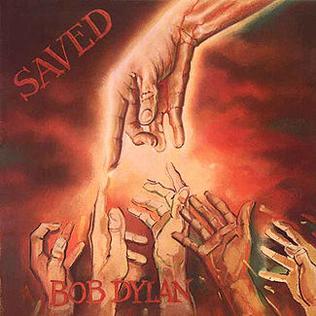
Saved (1980)

The original cover of the hand of God coming down to choose the Elect pretty much says it all. This is a far more hardcore gospel album. When it sticks to the musical heritage of gospel music I tend to like it more, like on the title track. The problem is that when he is writing songs in the contemporary Christian music vein about how much he loves God the symbolism and metaphorical depth of his lyrics just sort of drops away. It's not poetry, but a sermon. The studio musicians and background singers can cook, though.

Rating: Three Bobs

Shot of Love (1981)

Things get more rocking and less gospel here, at least on the first tracks. The grooves are alright, too. The problem is we have been down this road before. Songs like "Watered-Down Love" sound like they are cribbed from a preacher's sermon notes. The message of the song seems to be that if you aren't a Christian you can't actually love. Blech.

Taking the lyrics out of it, the music's got a little swing and the band is tight. Listening to this music I am mostly sad that Dylan didn't apply this sound (which I like) to higher-caliber material. This is the weakest of the Christian trio, but it ends with "Every Grain of Sand," a beautiful song that spends less time pointing the finger in favor of spirituality. If only more of his religious songs hit this note. 

Rating: Two and a half Bobs

Bootleg Series Vol 13 Trouble No More 1979-1981

When I heard they were doing a Bootleg Series on the Christian years I wondered if they had scraped the bottom of the barrel and were trying to punch through it for more nuggets. This one however is mostly live recordings, and some of the songs I didn't like as much in their studio versions (especially from Shot of Love) sound better and more lively here. However, listening to it all at once was a sometimes wearying experience. The aforementioned judgement and fire and brimstone just gets old. So many of the songs amount to "you sinner, why haven't you made the jump?" This is best listened to selectively, but I gotta say, the live performances are more interesting than what you hear on Hard Rain and Before the Flood. I did not listen to the full nine disc version because I just didn't have it in me. 

Rating: Three and a half Bobs

Saturday, July 31, 2021

The First Second Coming (Summer of Dylan part six)

 I am writing this from the deck of a dear friend and loyal reader's lake cabin. I'm on my way home from the road, and finally have the time and quiet I need to dig back into serious Dylanology. The regeneration from my vacation is a perfect feeling to have when discussing Bob Dylan's mid-1970s resurgence. Some of my favorite albums are so-called "comeback" albums by great artists who revive their talents while leavening them with wisdom and experience. My favorite Elvis album is by far From Elvis in Memphis, and if Blood on the Tracks isn't my favorite Dylan album, it's for sure in the top three. 

When Dylan had his return to the fore in the depths of the mid-1970s malaise it must have seemed like a miracle to those left disappointed after the sixties' deflation. There is footage from the Scorsese doc about the Rolling Thunder tour where girls are crying tears of joy after the early shows. The best of this era of his music really is that powerful, but it did not last for long. 

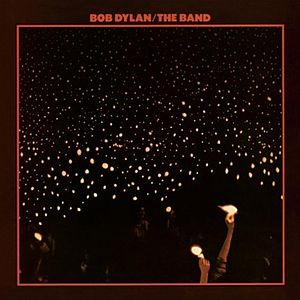
Before the Flood (1974)

Dylan's comeback years (at least in my opinion) are bookended by two mediocre double live albums. The double live album is a curio of the 1970s, when fans wanted to relive live performances and those who missed it could feel like they were taking part. This one comes from Dylan's tour with the Band in early 1974, which I consider the beginning of his comeback period. He was doing a full tour for the first time in eight years and played huge venues, going from the margins to the cultural center with a flash of lightning and hype. Unfortunately, the music here is not especially compelling. As I have mentioned, I am a huge Band fan, but if you want a Band double live go and listen to Rock of Ages. In these recordings Dylan seems to be over-singing, still not sure of his footing. With the Band backing him it's still juicy stuff, though. This project compelled me to listen to it for the first time, I think I might go back for another listen.

Rating: Three and a half Bobs

Blood on the Tracks (1975)

Well, there really isn't anything I can say about this record that hasn't been said before. The lyrics are soul-baring and soul-crushing, an examination of what happens when life and relationships turn out different than you intended. I have jokingly called it "Middle Age: The Album." This may or may not be my favorite Dylan album, but "Tangled Up in Blue" is easily my favorite Dylan song. It's cinematic and touches on everything from post-Sixties disillusionment to the resentments we can't shake to the poetry of Petrarch. Nothing in the music he had made to this point in his career signaled that this was coming. What's truly mind-blowing is these aren't even the best recordings of these songs! (more on that later)

Rating: Five Bobs

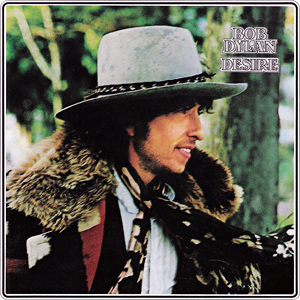
Desire (1976)

Like Nashville Skyline this is a brilliant stylistic one-off. Dylan collaborated with Broadway guy Jacques Levy and assembled a big band with a spotlight role for violinist Scarlet Rivera. It sounds like nothing else he or anyone else ever recorded. The songs are topical for the first time since his folkie days, from the searing "Hurricane" to the godawful "Joey" (the reason this album gets downgraded.) The former is about a falsely imprisoned boxer, the latter about a murderous gangster. Both are treated as heroes. As much as I enjoy this album (and I do), the live versions on the Rolling Thunder tour are the true flowering of what Dylan tried to do here. 

Rating: Four and a half Bobs

Hard Rain (1976)

I first saw this album for sale as a discounted tape in a truck stop in the early 1990s, which immediately made me think it was not one of Dylan's essential albums and not worth listening to. I kept that stance until this project, and I turned out to be right. This live album comes mostly from Dylan's last shows of the second leg of the Rolling Thunder tour, when a lot of the joy was gone and he and the backing players were just soldiering on. It comes out in the performances, but some of the magic is still there, especially on "Maggie's Farm." The Bootleg Series recordings from the first wave of the tour blow these away, but if you'd never heard them, you'd enjoy this plenty.

Rating: Three Bobs

Street Legal (1978)

I was not sure whether to group this with the "comeback" or with the impending Christian period, even though the lyrics are very secular. The very Yacht Rock, lush musical style of this album would be applied to Christian lyrics on Slow Train Coming. However, I decided it was best to see it as the beginning of the end of the comeback, and the sign that a major change was about to happen. As I mentioned the sound is very much of the late 70s, so your mileage varies on how much that sound appeals to you. I have a big Dylan head friend who says this is his favorite Dylan album due to his love of that sound. His arguments have persuaded me that this is not a forgettable blind alley but a flawed record with some great songs. However, the brilliance of his last two studio records is gone. Still worth repeated listens. 

Rating: Four Bobs

Bob Dylan at Budokan (1979)

This is one I never listened until two days ago, and WTF?!? It's live recordings from the famous Japanese venue where the Bobfather has trotted out all of his old favorites and reimagined them in his then soft groove late 70s style. In some cases hearing old standards in this new format is fascinating, in many cases it's just grating. It's obvious that Dylan was feeling the need to make a big change in his life. Instead of permanently butchering his oldies, he opted to convert to evangelical Christianity. More on that next time.

Rating: Two and a half Bobs 

Bootleg Series Vol. 14: More Blood More Tracks (recorded 1974)

Next to the Basement Tapes the New York sessions for Blood on the Tracks are the most bootlegged thing in Dylan's career. He had recorded the album with crack musicians, then decided after playing it for his brother to come home to Minnesota and record again with local musicians, and those versions make up most of the studio album. I like their more amateur, less precise backing, but some of the songs suffer from Dylan's changes in tone. The versions of "Idiot Wind" and "Tangled Up in Blue" here are absolutely devastating. During the height of COVID winter when I was still having to commute to New York City this album played in my car in my rides to and from the train station. Nothing else could speak to the pain in my soul at that dark moment. Once I get the money I will buy the whole shebang, for now I just have the one disc version. This is absolutely essential. (Some of the songs also appeared on the first Bootleg Series release.)

Rating: Five Bobs

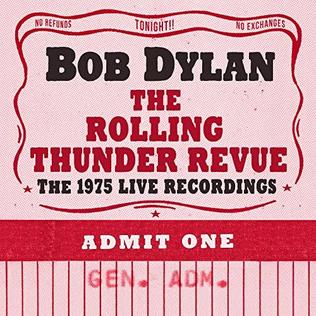
The Rolling Thunder Review- The 1975 Live Recordings


Some of these songs first appeared in the fifth volume of the Bootleg Series, which amounted to a two-disc cull of the great Rolling Thunder recordings. This box set was my father's day present to myself this year, and includes ALL of the extent live recordings, including multiple full shows. That might sound like a crazy purchase, but it was worth it. Next to his punky live shows with the Band in 1966 these are his best live recordings. The band is amazing and Dylan's voice is in fine form. He's enthusiastic and even seems to be having fun! This also happens to be some of the best road trip music ever made. If you can, drop the money on the big box set, which will teach you why those fans were weeping in ecstasy after these shows. If you can't, settle for the Bootleg Series release, which is still fantastic. 

Rating: Five Bobs

There's also some songs from this era on the original Bootleg Series release, including the aforementioned "Idiot Wind" and "Tangled Up in Blue." I happen to also enjoy "Golden Loom" and especially "Catfish," outtakes from Desire.

Friday, July 16, 2021

Domesticity (Summer of Dylan part five)

Truth be told I was just about to burn out on Dylan with fifty years of recordings still to go in this project. However, today's installment involved a lot of his music I had never listened to before. In this late 60s to early 70s time period Dylan had retreated from the spotlight, much to the chagrin of his fans. While this initially meant a burst of creativity in the form of the Basement Tapes, increasingly his heart didn't seem to be in it. As a father of young kids who's feeling burnt out from his job, I totally get it. We all need to shut things down sometime and focus on taking care of ourselves and our families. 

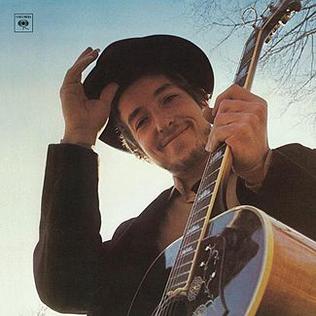
Nashville Skyline (1969)


This is one of the albums that invented country rock, and as a fan of the whole 90s-00s "alt-country" scene I have always loved it. There probably isn't an album in Dylan's catalog whose reputation has changed more. When it came out fans were upset over the lack of connection to the events of the time, the overt country sounds, and most of all, Dylan's country crooner voice. I actually like that voice in the context of this album, and I also like how it was an early way Dylan tried to show his fans that what he was giving them had always been a persona and never "the real thing." 

I will admit that this album is very slight in some respects. It's less than a half hour long and one of the songs is an instrumental. However, "Lady Lay Lady," "Tell Me It Isn't True," "I Threw It All Away," and "Tonight I'll Be Staying Here With You" are fine country rock songs. (The less said about "Country Pie" the better.) I wish Dylan had made some more albums with this sound, but in many respects Nashville Skyline is an interesting little one off.

Rating: Four and a Half Bobs

Self Portrait (1970)

This is one I had never listened to before, having been warned that it's his worst at least until the 80s. That assessment (so far) is absolutely correct. I always chuckle at the fact that Greil Marcus reviewed it simply by asking "What is this shit?" Unbelievably, it's a double album. Some of the songs are just flat out bad. If Dylan was deliberately trying to lower expectations and get people to stop worshipping him this would be an excellent way to do so.

HOWEVER, there are a couple of gems here and there. I also admire the audacity of doing a tossed-off twangy cover of "The Boxer," mostly since I've never cared for Paul Simon. If I'd had to pay for this album in 1970 I would have been pissed. Listening to it on streaming in 2021 I can just be amused.

Rating: Two and a Half Bobs

New Morning (1970)

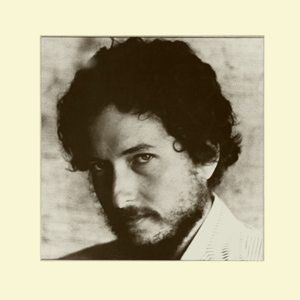
Okay, this one actually surprised me. I bought the CD ages ago in one of those discount three packs (remember those?) as a bonus to go along with Nashville Skyline and John Wesley Harding, two albums I actually wanted. At the time I listened to it and then put it aside, since I liked those other albums far more. This time, however, I noticed how many good songs Dylan offers here, almost as a mea culpa for his last album. It also sets more a domestic tone, of a dad laying back on a lazy Sunday and cutting a record. Perhaps now that I am a dad myself who is tired and weary I can feel it on a different level. "Time Passes Slowly," "Went to See the Gypsy," "If Not For You," and "The Man In Me" are all great. "New Morning" sounds like a declaration of independence from his old life and an embrace of his new one. 

Rating: Four Bobs

Pat Garrett and Billy the Kid (1973)

This was almost the first Dylan album I bought because of "Knockin' On Heaven's Door." Then one day I was able to tape that song off the radio and didn't feel the need to purchase an album that appeared to mostly be a film score. I made the right choice. The music is alright for what it is, but this really isn't an album. (I should say I am a Peckinpaugh fan and the film it comes from is quite good.) This project was the first time I listened to it, thirty years after I made my decision not to buy it. I wasn't missing anything.

Rating: Two Bobs

Planet Waves (1974)

Here's another one I never listened to before this project, but instead I found it to be a pleasant surprise. I am a huge fan of The Band, so I'd always been curious about this one. It was also Dylan's one record made in his break with Columbia Records, which retaliated by putting out Dylan, an unauthorized collection of Self Portrait out-takes, to get revenge. (I am not reviewing it since Dylan himself never intended for it to be released.) At this point The Band had run out of creative gas, and teaming with Dylan seems to have been good for them both. The tour they went on in 1974 would mark the beginning of Dylan's comeback, which might be the most significant thing about this album. It's not a great one, but it's worth a listen.

Rating: Three and a Half Bobs

Bootleg Series Vol. 10: Another Self-Portrait (recorded 1969-1971)


Okay, now this was the real winner out of a bunch of Dylan I'd never listened to before. It's outtakes from Self Portrait and New Morning with a smattering of other stuff and perhaps proof that the Self Portrait album was an intentional troll. I have really been enjoying this, to the point I got it on CD when the local record store went out of business (sniff) and have been playing it non-stop in the car. The orchestral version of "Sign on the Window" is amazing, and the stripped-down versions of other songs have such heart and feeling behind them. I guess this marks the beginning of Dylan's maddening love of not releasing the best versions of his music. 

Rating: Four and a Half Bobs

Sunday, July 11, 2021

Basement Sojourn (Summer of Dylan part four)

 My entryway into Bob Dylan was a weird one because it came as much through books as through music. Around the time I purchased the first part of the Bootleg Series for cheap at a going out of business sale I checked out the first edition of Clinton Heylin's Behind the Shades. I thus first read about Dylan's most important music before I ever heard it. I also picked up all the lore about the 1966 motorcycle accident, and understood it as this great transition point that made me less likely to listen to what came after.

The same happened years later the summer after I graduated from college. I needed money before leaving for grad school, so I took a summer job as a gas station clerk. By the point I was getting heavy into Dylan, and so I picked up Greil Marcus' Invisible Republic (nowadays titled The Old Weird America) when I saw it at the bookstore. I read that book mostly while on break at my job, or during the lulls in business late in the evening. The book is all about the Basement Tapes, and it intrigued me enough to go out and buy the 1975 version. The music made me realized that Dylan was up to a lot after the accident! 

I fell in love with the music, and to this day it is my favorite thing to play on a lazy summer day. For Father's Day this year I finally bought the complete, official version. For a long time I had CD burns of a bootleg version. Ask your parents what a CD burn is. The Marcus book and the Basement Tapes also prompted me to go deeper in my interests in American roots music. I also acquired a CD burn of the Anthology of American Music and started digging things like Dock Boggs, Mississippi John Hurt, and Jimmie Rodgers. 

This summer, coming after a year of hellish stress and death, the music has felt particularly apt. It's music coming from a man who's survived his own period of extreme stress and is wanting to just lay back and have a little fun with his friends. Don't we all want to do that right now?

In terms of albums, I am going to cover the two official releases of the Basement Tapes as well as John Wesley Harding, an album that grew out of Dylan's period of recovery. If you don't like my periodization, take it up with Greil Marcus, since he groups it that way too!

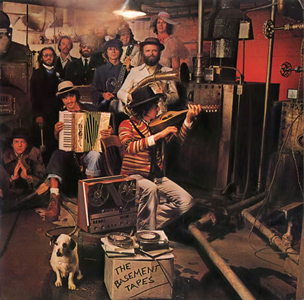
The Basement Tapes (1975)

In case you don't know the background, Bob Dylan crashed his motorcycle on the winding hilly roads where he was living in upstate New York in July of 1966. There are various tales of how bad he was hurt. It's important to note that he was nearing exhaustion from his schedule at the time, so the accident made it easier for him to cut back on touring commitments and get some rest. He was also newly married and had just become a father. I can say that life change will shift your priorities more than any motorcycle accident ever could.

While recovering he got together with the Hawks in the summer of 1967 (soon to be The Band) who backed him on his tour. They started recording some new songs (which were promoted to others to sing) as well as traditional songs, covers of pop songs, and some general screwing around. While they didn't always record in the basement, the name stuck. Some of the songs actually became hits for others. "Quinn the Eskimo" became "The Might Quinn" for Manfred Mann and the Byrds recorded a couple of them for their influential Sweetheart of the Rodeo album. Some of the songs were bootlegged in the late sixties, then a selection of them were finally officially released (along with some Band recordings not from these sessions) in 1975. 
While the songs sound raw compared to studio recordings of the time, there are apparently overdubs aplenty on this release. Once I was able to hear the originals that became clear to me. However, since this is how I first encountered this music, I have a hard time hearing the "real" versions and getting them to replace the image of the song in my mind from the 1975 recordings. Maybe authenticity is overrated.

If you can remove these questions from your mind, this is still very much listening to in 2021 with the "original" version now available. Some of the songs are The Band without Dylan, and despite that are pretty great. "Long Distance Operator," a funky blues, is especially good. 

Rating: Five Bobs

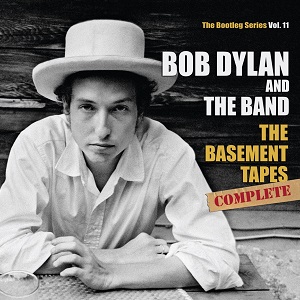
The Bootleg Series Vol. 11: The Basement Tapes Complete (recorded 1967)


As I mentioned before, this was my decadent Father's Day present to myself and has been completely worth it. I can now hear the full range of the universe Dylan and the Band were constructing in the basement. The basement is a great metaphor, since in 1967 as the hippy thing was bursting forth and psychedelic music ruled the airwaves, Dylan had decided to call on the vast reservoirs of American roots music derived from life in the country. I love to put this music on and just let it take me to the alternate universe it constructs. I also just love the goofing off and screwing around. "See You Later Allen Ginsburg" isn't much of a song, but it's a lot of fun. 

It's striking how much bootlegs of this music impacted the broader music scene, a kind of underground message. Some of it came aboveground when The Band put out their first album in 1968, which supposedly moved Eric Clapton to disband Cream because the Band's rootsier grounding seemed to make psychedelia look silly. Within a year of Sgt Pepper, which had supposedly "changed everything," rock bands were retreating from its elaborate trappings. By 1969 even the Beatles realized it was time to "Get Back" to the roots. 

Maybe my love of this music comes from having grown up in a rural area myself. There is something strange and powerful in a languid hot summer day in an isolated small town. You can feel both completely peaceful and restlessly bored at the same time. I look forward to going home in a couple weeks to experience it again. 

Rating: Five Bobs 

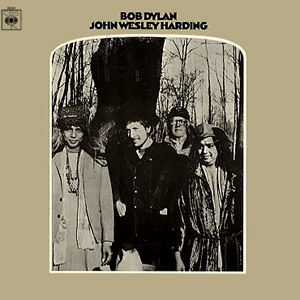
John Wesley Harding (1967)

This has got to be one of the most unique albums in Dylan's catalog. He is playing guitar and harmonica with spare backing, which might be a return to the folkie days, but it doesn't quite sound the same. The songs are structured to be one verse after the other, with nary a chorus to be found. The themes are deep, literary, and metaphorical. They don't sound at all like the Basement Tapes songs, but certainly reflect the "back to basics" approach of that time. While I like many of the songs on this album, I have never been able to totally penetrate it. The music styles of the songs get a little sames-y, so that might be the reason why. It's still worth listening to, especially the lyrics.

The last song, "I'll Be Your Baby Tonight," lights the way to what's coming with Nashville Skyline.

Rating: Four Bobs

Wednesday, July 7, 2021

Ghosts of Electricity (Summer of Dylan part three)

Dylan's electric transformation remains legendary, and to understand why just go listen to what was on the radio in the summer of 1965 when "Like A Rolling Stone" came out. This six minute song full of metaphors and imagery, twice the length of the typical pop number, went all the way to number two on the charts. It was the definitive sign that popular music could be so much more than greasy kids stuff. It should also be noted that this happened two years before Sgt Pepper, which is often falsely given that credit. 

Within a year of "Like a Rolling Stone" Dylan would release two all time great albums, Highway 61 Revisited and Blonde on Blonde, and face down "fans" angry over his electric turn with face-meltingly rocking live performances backed by the Hawks (soon to be Band.) Like a meteor screaming across the sky he burned bright but looked to be coming apart in the process. Dylan's famous motorcycle crash in the summer of 1966, which forced/helped him take a step beck before he burned out, could very well have saved his life. 

Listening to this music again I have to say that it still sounds amazing and the songs keep generating new revelations. 

Highway 61 Revisited (1965)

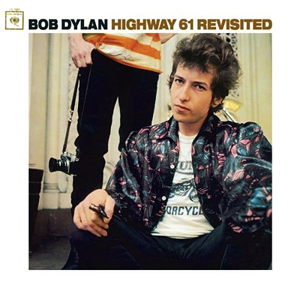
I had dabbled in Dylan in high school, but did not become a totally craven Bob-head until my senior year of college when I bought this album. For sentimental reasons it's probably still my favorite. The hints of electric mayhem on Bringing It All Back Home are out in full force here. Mike Bloomfield's searing Chicago blues guitar like Albert Collins' sounds like "a bee struck by lightning." On his next album Dylan would soften this sound somewhat and bring it to more baroque territory, I prefer the gritty blues of this album. 

Every single song is memorable and some are among Dylan's finest. It's been said that 1965 is the year that "the Sixties" truly began, but "Desolation Row" seems to prophesy its end just as the metephorical "Sixties" are beginning. There isn't enough space for me to list all the superlatives, so I am not even going to bother. 

Rating: Five Bobs

Blonde on Blonde (1966)

Well how do you follow that up? With a double album, of course! Dylan is infamously loose and undisciplined in the studio, but here is one of his more crafted works, courtesy of Nashville session musicians. Pairing their chops with some of Dylan's least inhibited songs is quite the combo. Like all double albums it has some less than stellar tracks, but the whole is much greater than the sum of its parts. This album is more romantic and poetic, ending with "Sad Eyed Lady of the Lowlands," an epic love song. Romantic melancholy seeps into other songs as well, such as "Just Like A Woman." I still wish Bob got less baroque on this and stuck more the rootsier sound of his last record, but there's no arguing with the results when you listen to something like "Visions of Johanna." "The ghost of electricity howls in the bones of her face" is maybe my favorite lyric of all time.

Rating: Five Bobs

Bootleg Series Vol. 4: Bob Dylan Live 1966


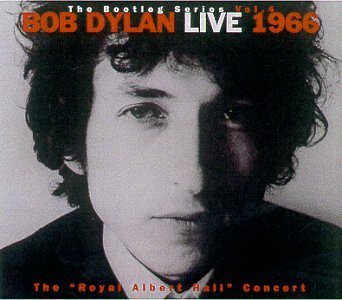
If I was only allowed to have one Dylan album, this would be it. The live recording of Dylan's 1966 concert at Manchester Free Trade Hall (mistakenly labelled "Royal Albert Hall") has the evidence that folkies indeed shouted "Judas!" at him during his electric set. As the band is about to go into a brash version of "Like A Rolling Stone" you can also hear Dylan turn to them and say "Play fucking loud!" 

The concert had two parts, Dylan solo acoustic with harp and guitar, and then backed by the glorious Hawks (soon to be The Band.) In the acoustic side, which the folkies claimed to prefer, Dylan is still performing recent material and shies away from his old topical songs. He also plays the songs unconventionally, almost deliberately pushing his audience. The electric part is just amazing, and the fact that so many people saw this and then bitched about it because Dylan dared to evolve just proves how stupid human beings can be. I feel like I encounter this type on Twitter every damn day.

Rating: Five Bobs

Bootleg Series Vol. 12: The Cutting Edge

I have listened to all the other stuff on this list innumerable times, but for some reason I didn't get around to this Bootleg Series entry until I embarked on this project. I realized I made a mistake by not including it in my last post, since it follows the traditional periodization starting this part of Dylan's career with Bringing It All Back Home. (See my last post for my reasons for my own periodization.) Listening to all of these studio outtakes I was really struck by how different many of the songs sound in their released form. Above all I saw how a lot of Blonde on Blonde got smoothed out in the recording process. It certain challenged my assumptions about Dylan's haphazard approach in the studio. I feel like I was barely able to take it all in, and I will have to go back for some more listens.

Rating: Five Bobs

Bootleg Series Odds and Ends

A lot of the tracks from volume seven, the soundtrack to Scorsese's No Direction Home, are included here. There is a lot of overlap from The Cutting Edge but when this came out the alternate versions really blew me away. There's also an especially sneering live take on "Ballad of a Thin Man." There's a few good nuggets that also get repeated later from volume 2, with "She's Your Lover Now" being my favorite. 

And speaking of sneering, Dylan put out a non-album single "Positively 4th Street" in this period that sounds like a pretty direct rebuke to the purists in his audience. 

Thursday, July 1, 2021

Exit Planet Folkie (Summer of Dylan part two)

In 1964 Bob Dylan stopped being a folk singer. It took a year or so for his audience to catch up with this fact. Sure, he still strummed a guitar and blew his harmonica and had that Woody rasp in his voice, but he was no longer writing songs ripped from the headlines. The title and cover of Another Side of Bob Dylan couldn't make anything more explicit. This is not the Dylan you know, but "another side." And instead of his Dust Bowl by way of Minnesota folkie garb, he's dressed like a hipster. That would be Dylan's persona in the mid-60s: an often mean, sneering hipster who still backed up his arrogance with some of the greatest music ever made. 

Don't Look Back, the doc of his 1965 UK tour, perfectly captures this moment. He spends a lot of his time putting other people down with the assistance of Bobby Neuwirth. When the latter meanly teases Joan Baez, Dylan just laughs along. Knowing that they were recently romantically connected just makes it harder to watch. Some of the targets did deserve it though, like the pretentious high class British journalists who talk to him with such condescension. 

This installment in the Summer of Dylan will delve into the albums from this short moment of transition from folk to what he called "the wild thin mercury sound" that started with Highway 61 Revisited. At that point Dylan is definitively a rock artist playing with a rock band. My periodization might be contentious, since Bringing It All Back Home is often grouped with Highway 61 and Blonde on Blonde as a trilogy, but Bringing It All Back Home came out when Dylan was still performing by himself. I think taking the stage with a band, a la the famous Newport performance, is what really and truly marked the break he was hinting towards in the year leading up to it. 

Another Side of Bob Dylan (August 1964)


As I mentioned, this album's title is a statement of purpose. The topical songs are gone, the themes are romance, bitterness, and poetry. It gets a bit raw, and Dylan himself said he regretted releasing "Ballad in Plain D." "It Ain't Me Babe" is a better bitter relationship song but just as acidic. Here he still plays his material solo, but the material is completely different. "It Ain't Me Babe" could perhaps be read less as a song about rejecting a lover because of her demands and more as Dylan's statement to elements of his own audience. They wanted him to be Woody Junior forever, and he wanted to branch out. At this point it's undercover, like a child of a religiously devout family questioning their faith but still making the sign of the cross with them at supper out of obligation but not conviction. 

I've never found this to be a completely successful album because Dylan hasn't yet fully taken the plunge into his new musical territory. At the same time, there are several fine songs and some great weirdness on numbers like "Motorpsycho Nightmare." 

Rating: Four Bobs

Bootleg Series Volume 6 Bob Dylan Live 1964, Concert at Philharmonic Hall (Recorded October 1964)

This is one of the most interesting entries in the Bootleg Series because it is maybe the best document of Dylan's changing direction. This performance comes after Another Side of Bob Dylan, but some of the revolutionary songs from his next album like "Mr Tambourine Man" are included too, as well as topical numbers like "Who Killed Davey Moore?" He sounds like a man trying to cross a stream, one foot on one bank and one on the other bank. Listening to it again I noticed that the crowd seemed to be most engaged when he was doing his most "relevant" songs, like "Talking World War III Blues." 

Joan Baez duets on several songs in the latter part of the set. Dylan is famously improvisational onstage and he seems to be deliberately sabotaging Baez's ability to keep up. This almost completely torpedos "Mama You've Been On My Mind," a normally tender song that sounds rushed here. During his UK tour the next year he stopped having her going on stage to sing with him, another (and more cruel sign) of his exiting planet folkie for uncharted territory. 

The mixing of elements makes this a fascinating document, and I keep coming back to it. 

Rating: Five Bobs

Bringing It All Back Home (March 1965)

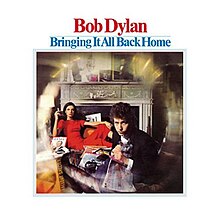
The cover of this album shows Dylan's transformation from folkie to arty hipster. No more denim and corduroy. Instead there's surrealism in the imagery and Dylan showing off his taste in music in the albums visible in the photo. The first song, "Subterranean Homesick Blues," lays the gauntlet down with an up-tempo electric band and bon mots flying like mosquitos in June. Listening to it I can't understand why anyone was surprised by what Dylan pulled later that year at Newport.

That song and this album also point to shift where Dylan is most certainly commenting on American society, but is not doing so with specific stories of the tribulations of Hattie Carroll and Hollis Brown. He relies on language and metaphor, oblique references and allegories. Young people hearing him say "You don't need a weather man to know which way the wind blows" in 1965 heard a cry for change but one far less direct that the threats issued in "The Times They Are A Changin'." 

Dylan's foray into drugs is also made explicitly obvious on this album beyond the trippy cover. When his false start on "Bob Dylan's 115th Dream" ends with him giggling uncontrollably it's obvious that he's high AF. On "Mr Tambourine Man" (rumored to be inspired by LSD) he has become totally untethered from the usual folk song lyrics even if he's still strumming his acoustic guitar.  

This is most revolutionary with "It's Alright Ma, I'm Only Bleeding," which has to be a top five Dylan song. Like "A Hard Rain's A-Gonna Fall," this is Dylan as angry Jeremiah, pointing his finger at an inhumane postwar America still believing it represents some kind of city on the hill. I happened to see him live the day after the 2004 election and when he sang "Sometimes the president of the United States must have to stand naked" the whole crowd went absolutely nuts. That's a sign of the power of his songs from this era that are commenting about modern society but not through specific references. It gives them a kind of timelessness. 

At two points the album also makes Dylan's new artistic direction explicit. "Maggie's Farm" is one of the best quitting songs of all time, one I blasted myself when I quit an especially rotten job. It can easily be read as angry rejection of the whole folk scene. (It was hardly a mistake that he started his electric set at Newport with it.) He ends the album with "It's All Over Now, Baby Blue," a song of love's end that could also be a metaphor for his relationship with artistic milieu in Greenwich Village that had once nurtured him. At Newport to appease the fans upset by either the loud electric set or the shortness of his appearance (accounts vary), he came back with an acoustic guitar and played this song. If you watch the great documentary Festival it feels like the funeral of the folkie ragamuffin he used to be.

While the difference in musical styles on this album can be a bit jarring, it is just packed with amazing songs, and is one of the greatest musical leaps forward by any artist in history.

Rating: Five Bobs

Bootleg Series Odds and Ends

There aren't nearly as many songs from this brief period of Dylan's career (which amounts to only about a year) on the various Bootleg Series compilations, so this time I am not going to separate them out. Volume 2 has a smattering of songs, including an alternate acoustic take on "Subterranean Homesick Blues." The surreal "Farewell Angelina" deserved to be on the cutting room floor, but is still worth a listen. 

Volume 7 of the series, the soundtrack to Martin Scorsese's No Direction Home has a bunch of goodies, including the infamous blast of "Maggie's Farm" at Newport in 1965. This alone is worth the price of admission. There's also a few alternate takes of songs from his albums of the period that give insight into Dylan's process.